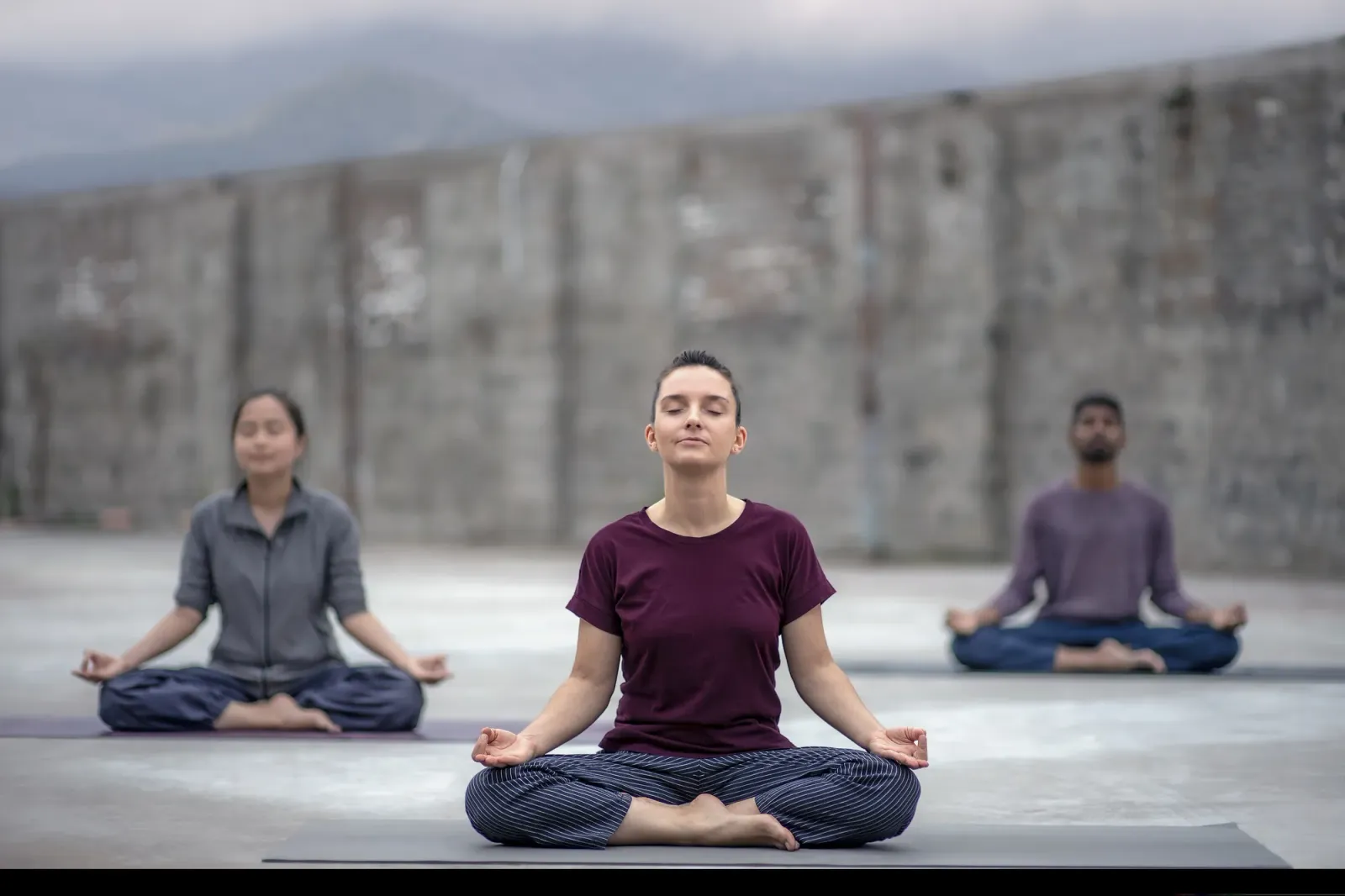
Finding Your Rhythm: How to Build a Consistent Hatha Yoga & Sadhana Practice
Committing to a regular practice isn’t just about rolling out your mat when you feel inspired—it’s about bringing a few key elements into balance: your diet, daily schedule, sleep habits, and, above all, getting completely clear on your priorities.
Because you are still early in your journey, you haven't yet experienced the full impact these practices will have on your daily life. Speaking from my own daily practice, if I skip yoga for even a single day, I feel the difference immediately—in my energy levels, mental clarity, and overall sense of ease. Once you taste that level of vitality, keeping up with your sadhana stops feeling like a chore and becomes as natural as eating or sleeping.
Doing This to Upgrade Yourself
Yoga is not merely physical exercise; it is a technology for human transformation. When you step onto your mat consistently, you are making a conscious decision to upgrade your entire operating system—your body, mind, and energy dynamics.
Key Benefits of a Regular Practice:
Enhanced Vitality & Energy: Experience a sustained, natural surge of physical stamina and mental alertness throughout the day without relying on stimulants.
Sharper Focus & Mental Clarity: Clear away mental fog, reduce overthinking, and approach daily decision-making with calm precision.
Emotional Balance & Stress Resilience: Develop an internal anchor that keeps you stable, relaxed, and undisturbed regardless of external pressures.
Improved Flexibility, Alignment & Posture: Relieve chronic stiffness, strengthen key muscle groups, and allow energy to flow freely through your spine.
Reduced Sleep Requirement: As your system becomes more efficient and frictionless through regular practice, the body relaxes more deeply, requiring fewer hours of rest to fully recharge.
Breaking the Low-Energy Cycle
It is important to recognize that getting out of a bad habit or low-energy cycle takes real effort and resilience.
When your system is accustomed to inertia, sluggishness, or irregular routines, the mind will naturally generate resistance, excuses, and fatigue right when it's time to practice. Breaking through this inertia requires initial willpower and discipline. Recognizing that this friction is temporary—and simply part of the recalibration process—helps you stay resilient until your system establishes a new, higher baseline of energy.
Anchor Your Non-Negotiables First
Right now, your main goal is simply to anchor two or three non-negotiable slots in your weekly schedule and build everything else around them.
On those designated days, nothing takes priority over your practice—not work requests, social invites, or even meal times. Treat these appointments with yourself as sacred commitments. Once you are able to consistently stick to those initial sessions without compromise, you will have built the structural foundation needed to expand your sadhana further.
Finding the Tools That Resonate with You
There are innumerable types of yogic practices available, and part of the journey is discovering what resonates with you most and serves as the most effective tool for your system:
Hatha Yoga: Physical sequences and postures (asanas) designed to align the body, balance energy channels, and build strength.
Mantra or Kriya: Sound vibrations and subtle energy practices that stabilize the mind, tune the system, and clear blockages.
Meditation or Bhakti: Deep internal stillness or the yoga of devotion, offering emotional sweetness and conscious awareness.
For most people, the most effective daily routine is a complementary mix. A strong foundation includes at least one physical Hatha Yoga practice daily, followed by a Kriya and meditation later in the day.
Long-Term Growth & Advanced Programs
As a long-term goal, aim to attend an advanced meditation program. Stepping into an immersive advanced program acts as a huge boost to your established daily practice, deepening your energetic capacity and accelerating rapid personal transformation. If you'd like more information on these programs or guidance on preparing for one, please reach out directly!
Overcoming Common Roadblocks
When establishing a new routine, friction is natural. Here are three common hurdles beginner practitioners face and how to navigate them:
1. Time Management & Scheduling Conflicts
The Challenge: Expecting to find spare time at the end of the day usually leads to skipped sessions as work or family demands overflow.
The Solution: Schedule your yoga session in advance like an indispensable business meeting. Early morning is ideal because it happens before the day's distractions begin. Prepare your yoga space and clothes the night before so there is zero decision friction when you wake up.
2. Managing the Empty Stomach Condition
The Challenge: Yoga practices require a light, empty stomach (typically 4 hours after a full meal or 2.5 hours after a light snack) so that energy flows freely without digestive interference. Struggling with hunger or energy dips can throw off your timing.
The Solution: Align your meal schedule around your practice rather than fitting practice around meals. Incorporate positive pranic, high-energy foods into your diet—fresh fruits, soaked nuts, vegetables, and whole grains digest smoothly, leaving you energized without heavy sluggishness.
3. Lack of Motivation or Loss of Precision
The Challenge: When practicing alone, self-doubt can creep in, or you might feel sluggish, unmotivated, or unsure if you are doing the steps accurately.
The Solution: Attend a Review Class. Stepping back into a group atmosphere with a qualified teacher instantly revitalizes your momentum. A review session polishes your alignment, corrects minor errors before they become habits, and re-engages you with the group energy.
Wisdom from Sadhguru on Committing to Sadhana
In Isha Yoga and Classical Hatha Yoga, Sadhguru emphasizes specific perspectives to help turn temporary effort into a lifelong habit:
Commit for a Fixed Period First: Instead of worrying about "forever," make an absolute commitment for a specific window—such as 40 or 90 days. Treat it as a strict experiment without questioning daily whether you feel like doing it.
Recognize Practice as Energy Management: Sadhana isn't a mechanical exercise routine; it's a tool to tune your system. When you realize that yoga gives you back time by sharpening your clarity and reducing sleep requirement, "lack of time" ceases to be an excuse.
Focus on How You Live, Not Just How You Sit: Consistency isn't tested only while on the mat. Maintaining awareness, keeping your body light through balanced eating, and staying conscious throughout the day keeps the momentum of your sadhana alive between sessions.
So What to Do Now?
Draft your yoga practice / sadhana schedule for the next 30 to 90 days: Write down the specific days, exact times, and which practices you will perform during each session.
Organise your other commitments around it: Once your practice slots are anchored, align your work, meals, and social activities around these non-negotiable times.
Reach out if you need guidance: If you run into challenges or need help structuring your routine, contact your teacher! He will be more than happy to support you on your journey.
Take action: Book or request a review class today to refresh your momentum and refine your practice.